
Canaveral National Seashore: Primitive Canoe-In Island Camping (Site #05)
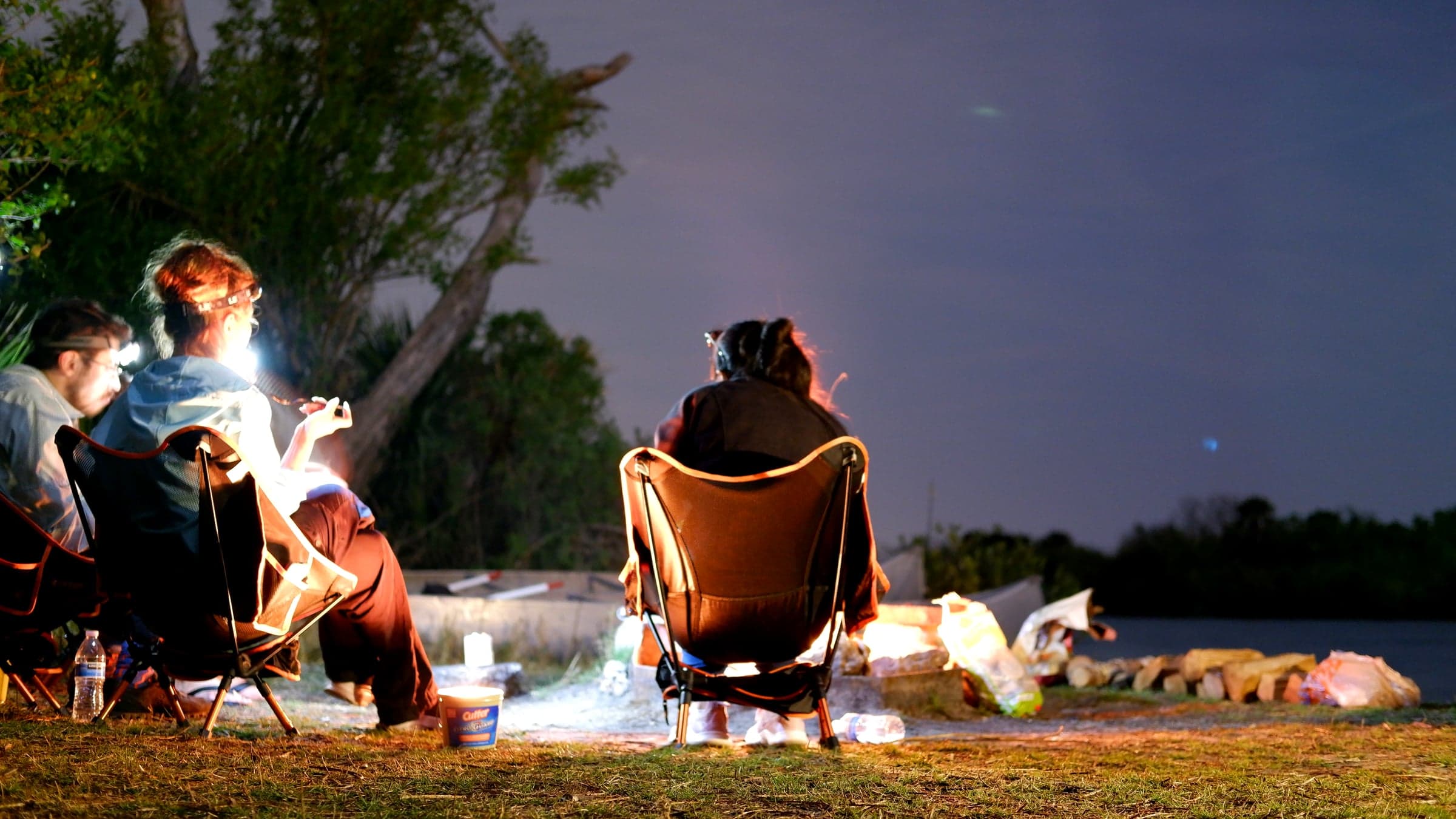
Canaveral National Seashore doesn't let you drive to a site, back in, and unload a cooler in three trips. You canoe in. Whatever fits in the boat is what you get for the next two nights — which made this trip the moment we finally had to test our own "pack light" advice instead of just preaching it.
We booked Site #05, Government Cut, a primitive island site reachable only by paddling across the lagoon. Mid-April, warm days, and — as we found out the hard way — heavy overnight condensation.
Getting there: it's canoe or nothing
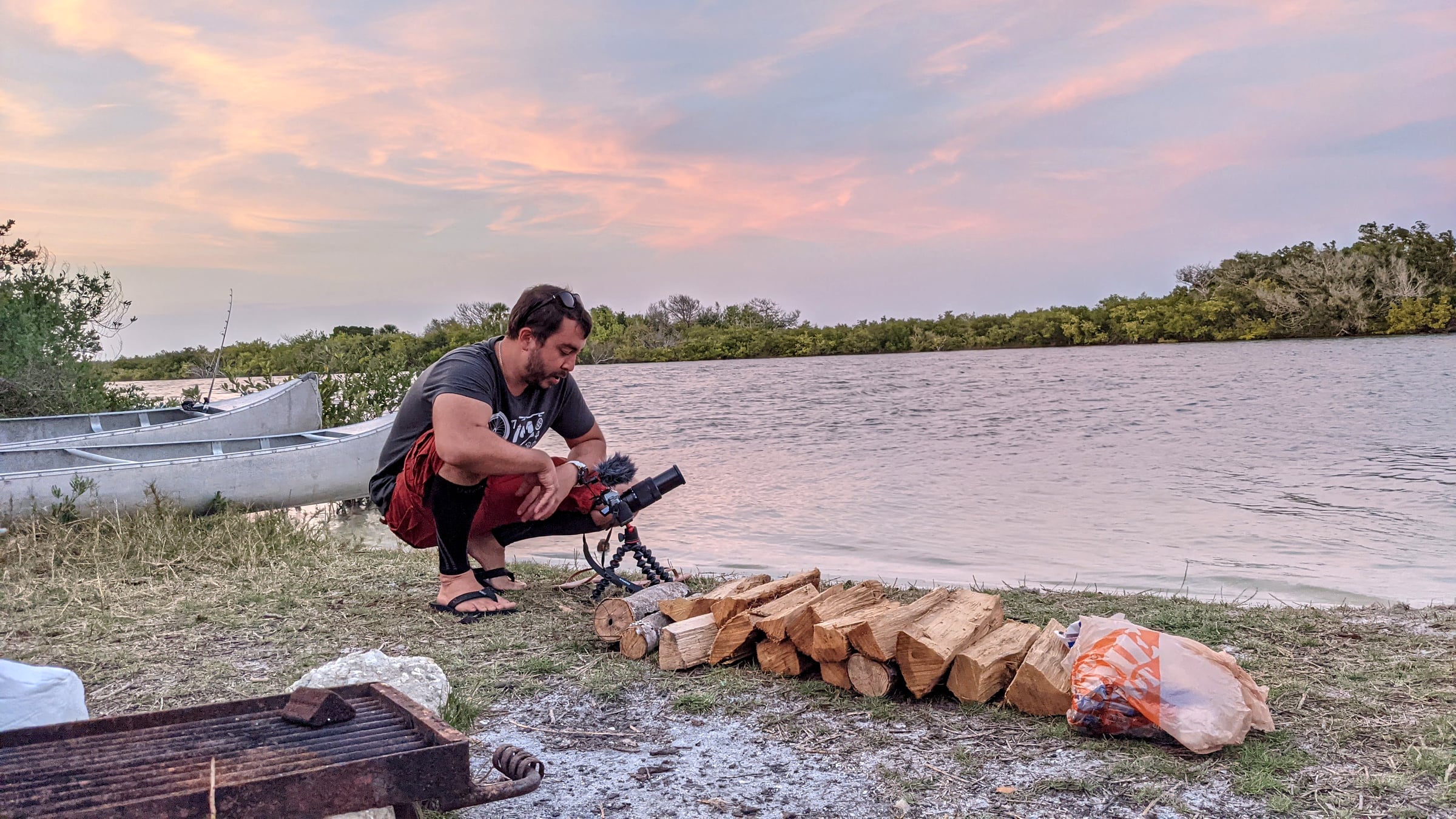
There's no shortcut here. Everything you're camping with — tent, coolers, water, firewood, canoe gear — has to fit in the canoe with you and stay dry enough to be useful two days later. We arrived in the evening with just enough daylight left to unload, set the tents, and get a fire pit going before dark.
The packing lesson we didn't take our own advice on
We talk about packing light constantly, but this trip was proof we don't always practice it. Canoe space is brutally limited compared to a car trunk, and we brought more than we needed. Two lessons came out of it the hard way:
- Bag your electronics — literally. A basic garbage bag around a camera or phone is cheap insurance against canoe splash and the inevitable "wait, is the bottom of this thing wet?" moment.
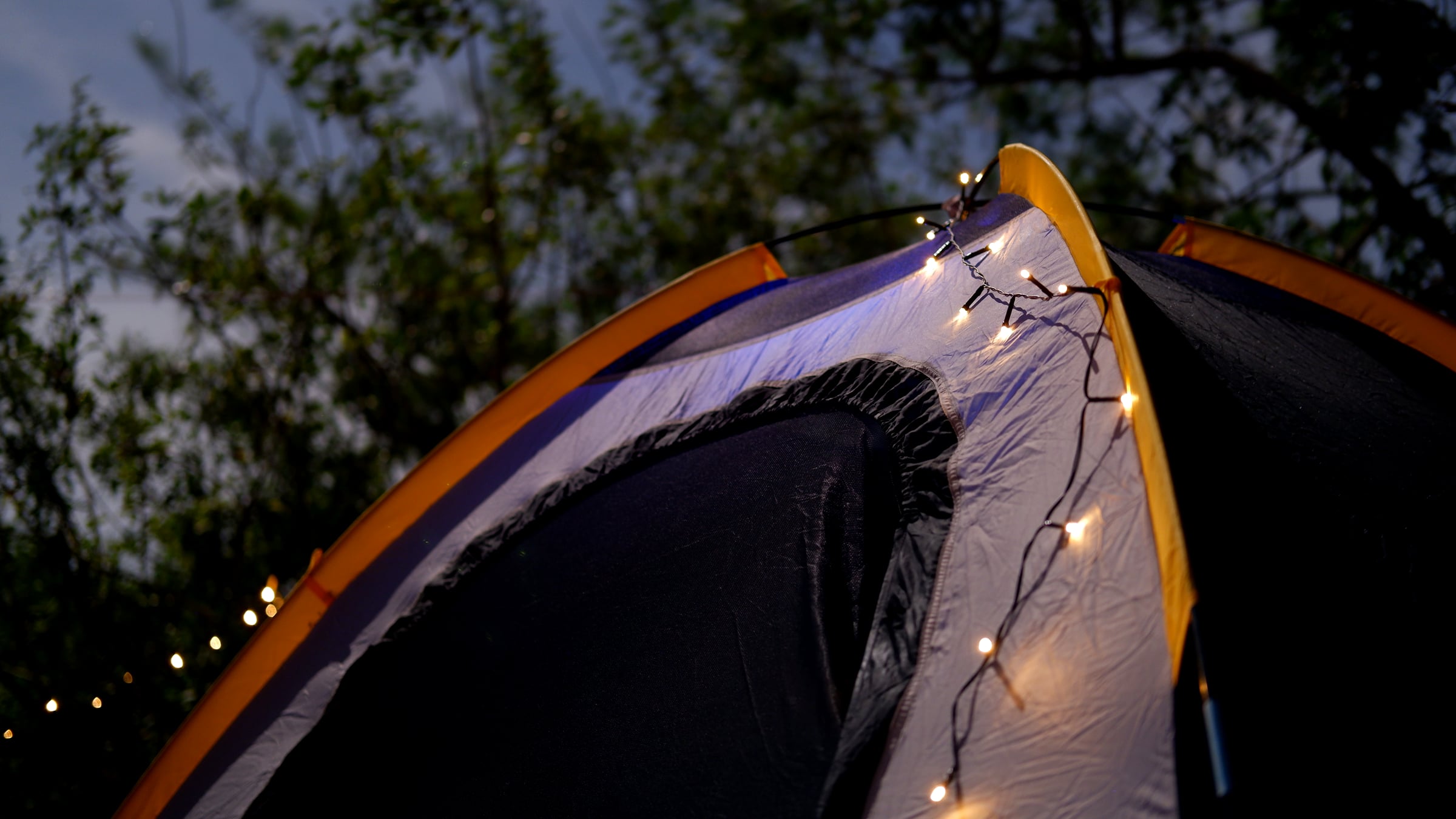
- Overnight condensation here is heavy. We camped mid-April, and moisture built up inside the tent and on gear left outside overnight. A chunk of what we packed came home damp, from sleeping bags to electronics we hadn't sealed.
If you're used to car camping where a wet item just gets tossed in the trunk, canoe camping changes the math — everything you bring has to survive a splash on the way in and condensation on the way out.
Wildlife and leaving it better than we found it
The payoff for hauling everything in by canoe is real isolation. We watched dolphins working the channel and fiddler crabs covering the mud flats at low tide — the kind of wildlife density you don't get at a drive-up campground.
One disappointing note: we ended up picking up trash left behind by previous campers. Canaveral National Seashore is primitive and unstaffed between visits — leave no trace isn't a suggestion here, it's the only thing keeping these islands from turning into a dump. Pack it in, pack it out, and if you see someone else's mess, consider picking it up anyway.
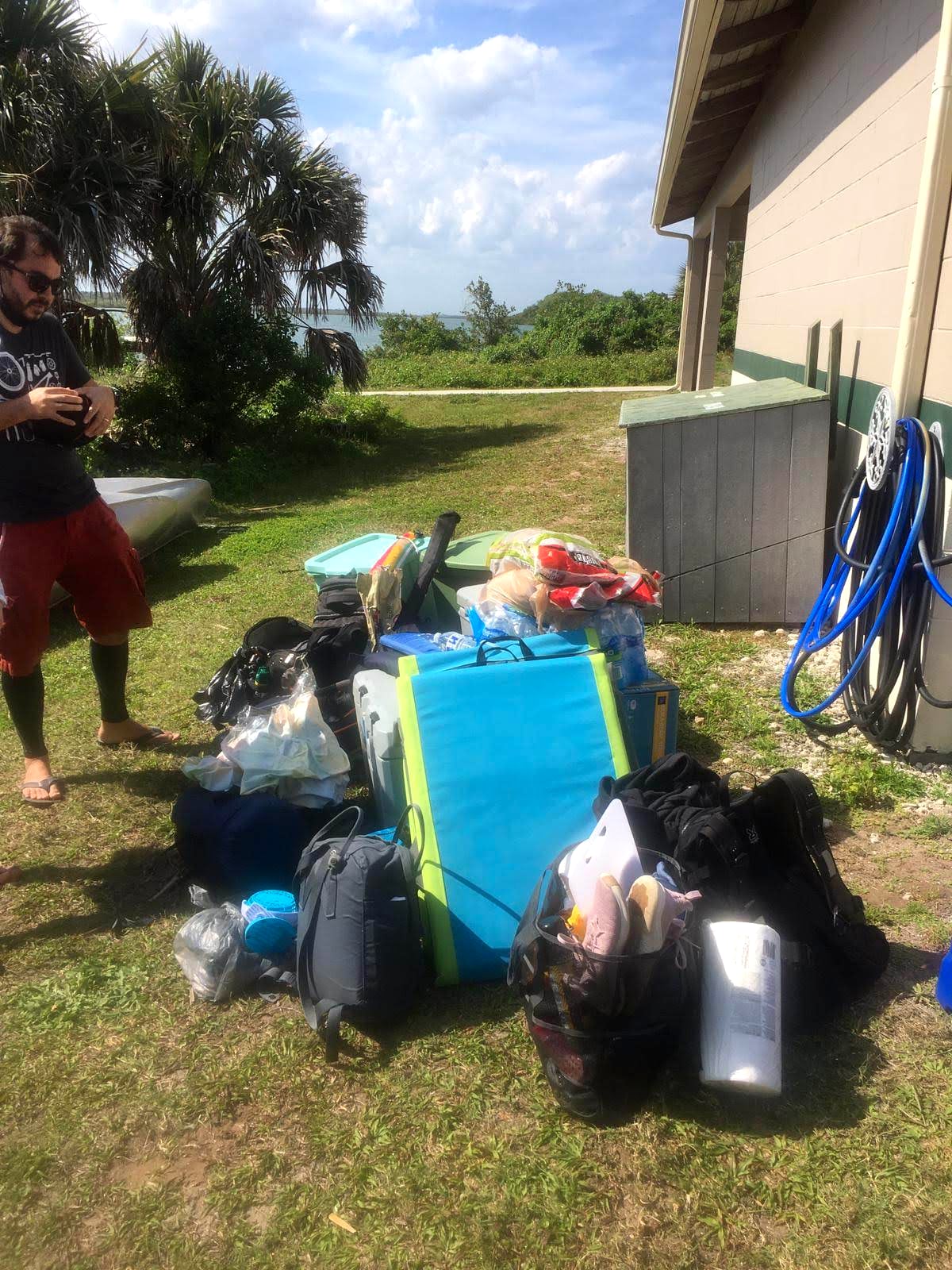
The morning-after pile — everything that came off the canoe still damp from condensation.
A quick disclaimer on the video: most of the drone footage wasn't actually shot at Canaveral. The airspace restrictions around the seashore are strict, and we weren't willing to risk a fine (or worse) for a few extra establishing shots. What you see on the ground, though, is exactly this trip.
Next trip, everything electronic goes in a proper dry bag from the start, and we're packing roughly a third less "just in case" gear. Start a checklist for your own backcountry canoe trip in Camper's Checklist and it'll help you separate what a canoe site actually needs from what just takes up space in the boat.