
RV, Pop-Up Trailer, Tent, or Backcountry: Comparing the Campsite Types We've Actually Tried
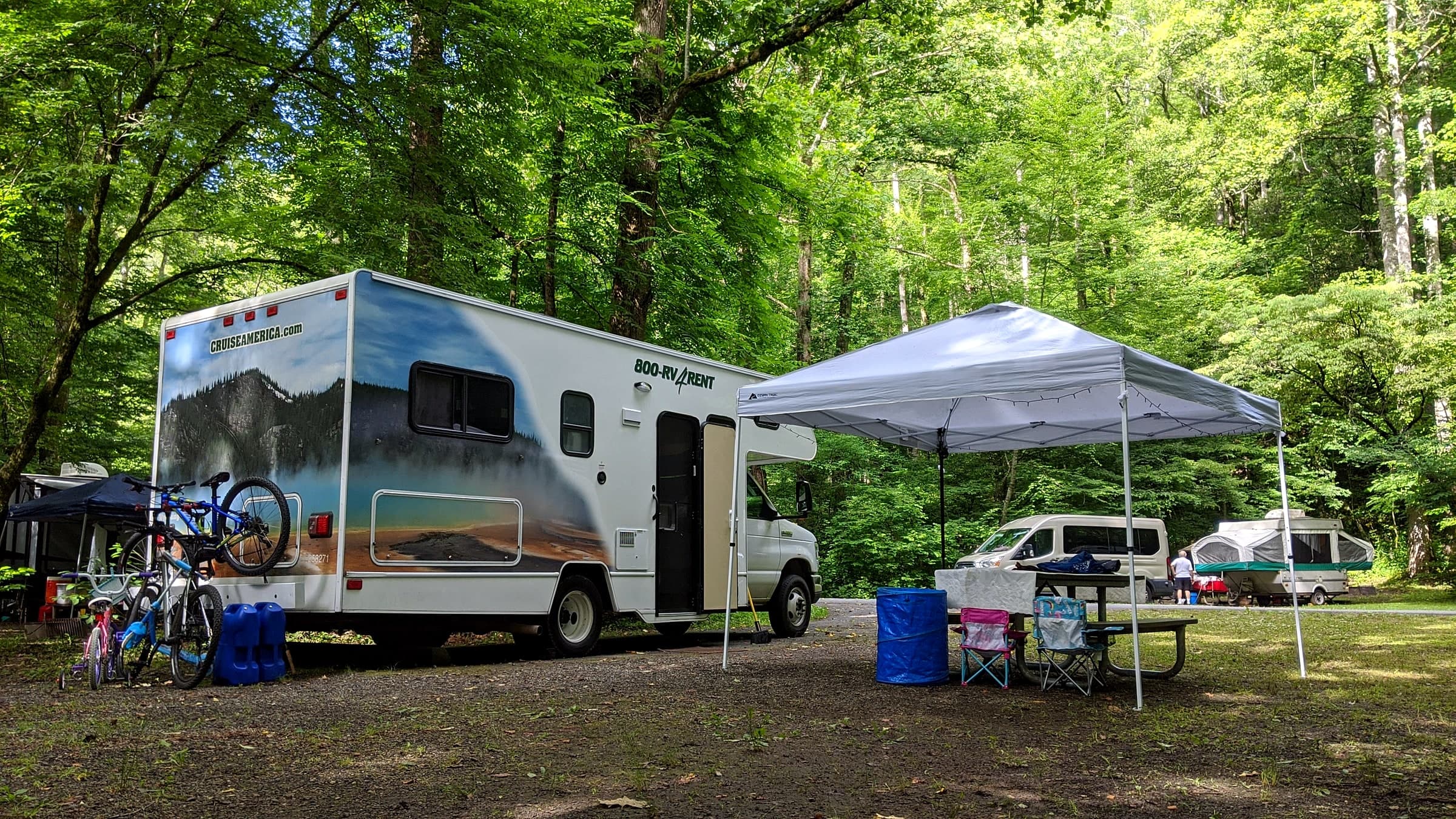
We've camped four different ways at this point: a rented Class C RV, a pop-up trailer we rented through RVshare, standard drive-up tent sites, and backcountry tent camping reachable only on foot or by boat. Each one changes what a trip actually feels like, and none of them is the right way to camp. Here's what each one has actually been like for us.
RVs and motorhomes: the most comfortable, the least outdoorsy
Our Class C rental was a Cruise America motorhome, a real bed, a real kitchen, air conditioning on a hot Florida night. It's the version of camping that's easiest to sell to someone who isn't sure they like camping, because most of what makes camping uncomfortable (heat, bugs, no bathroom) is solved before you even arrive.
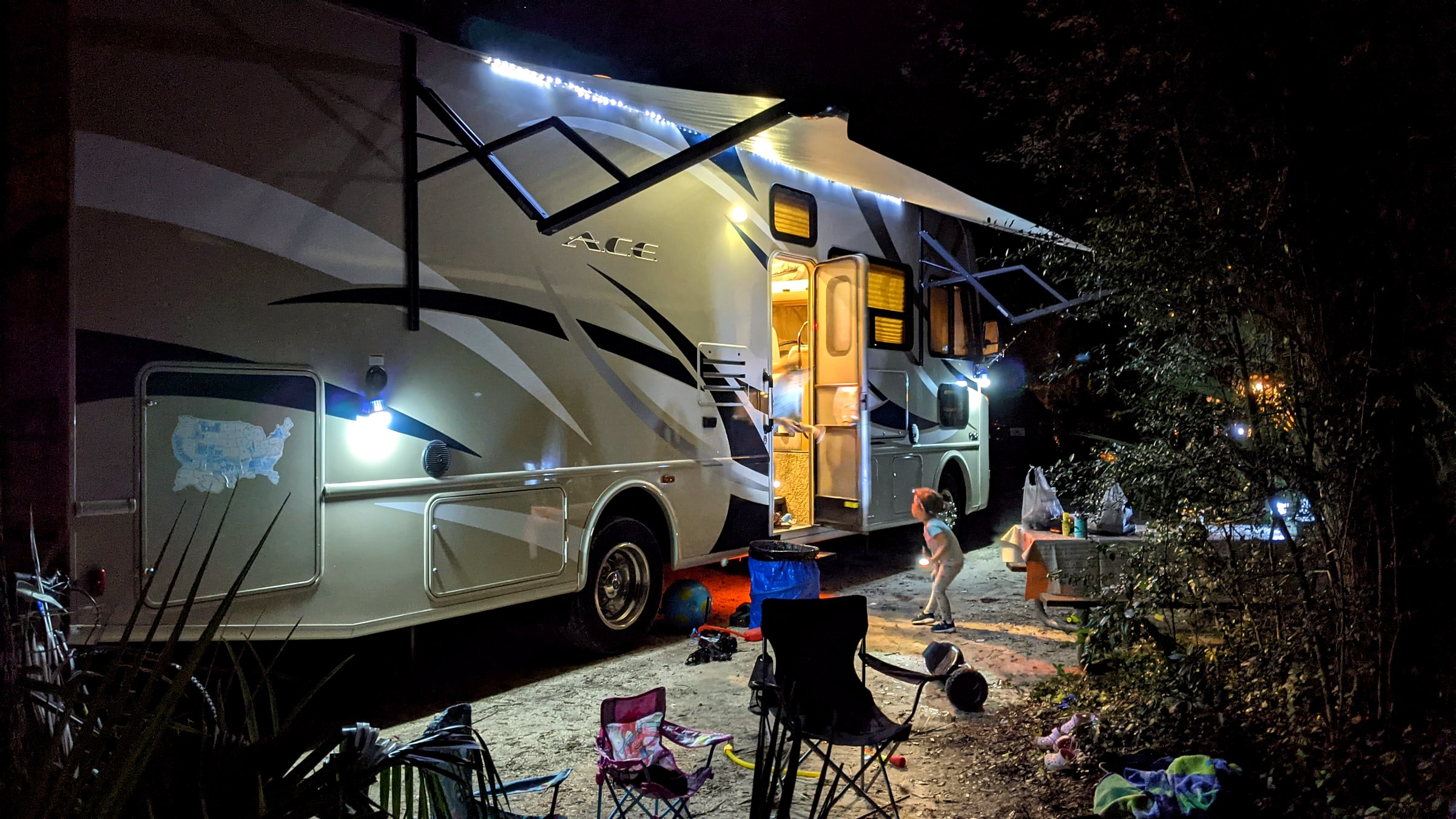
The tradeoff is that you're still driving a large vehicle, which limits which campgrounds and sites are even an option, and it costs more than any other style on this list, both to rent and to fuel. It's the right call for a trip where comfort matters more than roughing it, or for camping with very young kids where a real bathroom at 2am is worth a lot.
A pop-up trailer: most of the comfort, easier to tow
We rented a Flagstaff pop-up trailer through RVshare for a different trip, and it landed in a comfortable middle ground: real beds, a small kitchen setup, and canvas sides that let in air and sound the way a hard-sided RV doesn't. It's towable behind a normal SUV in a way a Class C or Class A motorhome isn't, which opens up campgrounds that wouldn't fit a full-size RV.
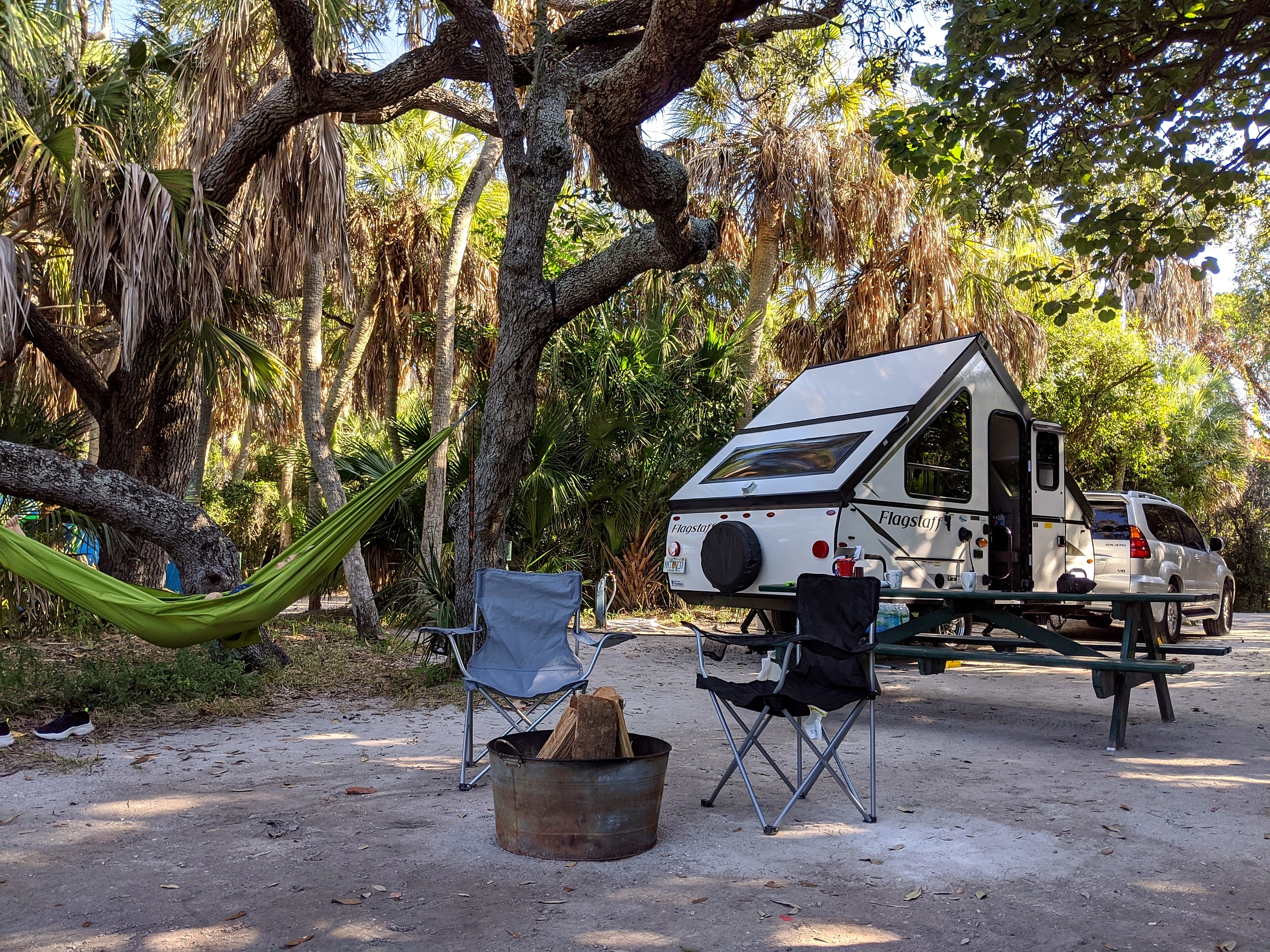
The canvas sides are also the tradeoff: less insulation than a hard-sided RV, and a genuinely different noise level at night. If you want something between a tent and a full RV, and you already have (or can borrow) a vehicle that can tow it, this is worth looking at before committing to buying either extreme.
Standard tent camping: the default for a reason
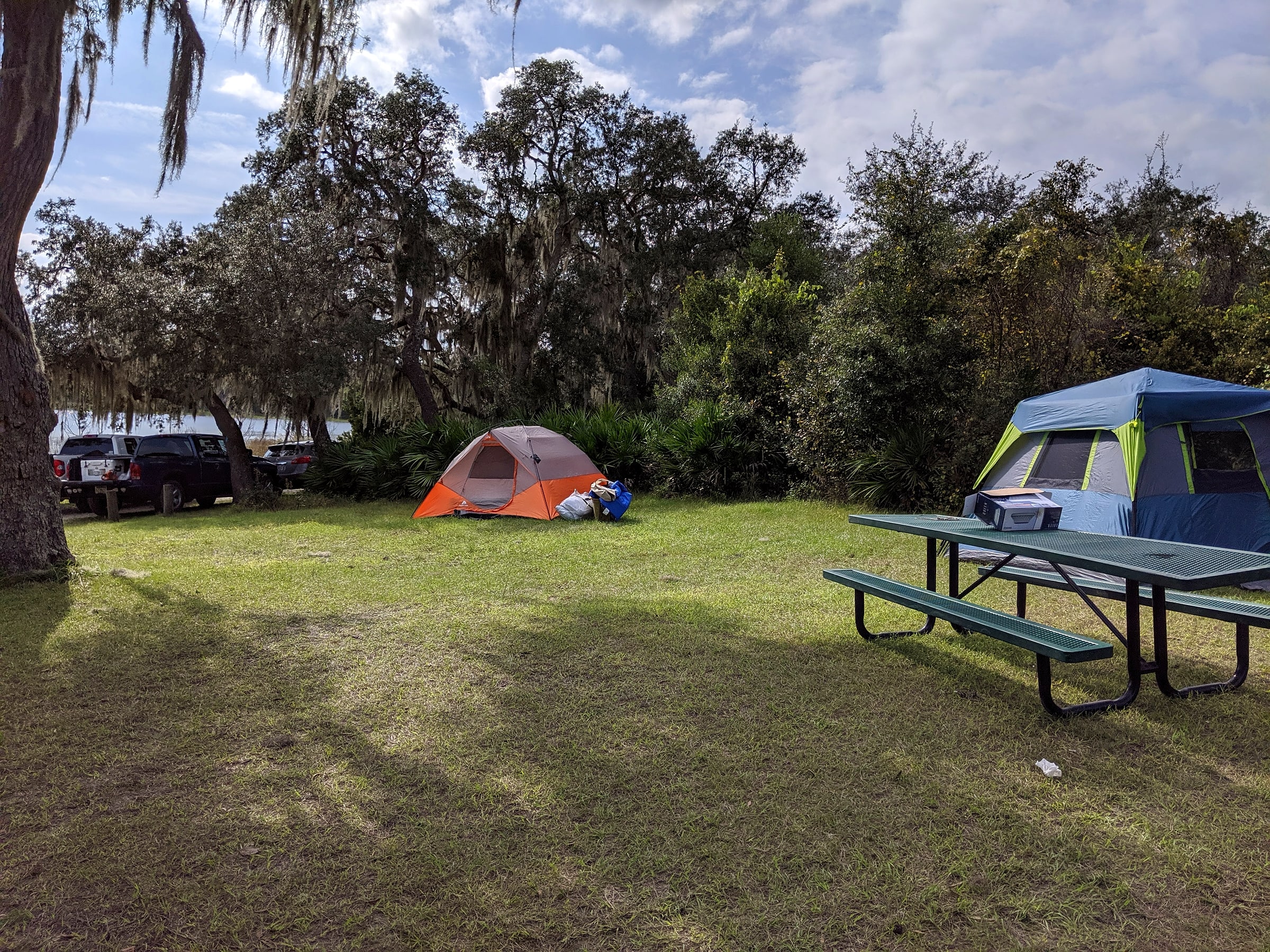
Most of our trips are still a standard tent at a drive-up site, and there's a reason it's the default for so many people. It's the cheapest way in, the gear is the most affordable to own outright, and almost every campground in the country has sites built for it. Setup takes longer than parking an RV, but it's also the style where you're the least insulated from actually being outside, for better and worse.
Backcountry tent camping: no shortcuts
Backcountry camping is the version where you can't drive to the site. Everything you're bringing has to fit in a pack, a canoe, or whatever you're carrying it in yourself, and there's no bathroom, no water spigot, and no quick trip back to the car if you forgot something. We've done this in the mountains, where the payoff is real isolation and views you don't get from a drive-up site.
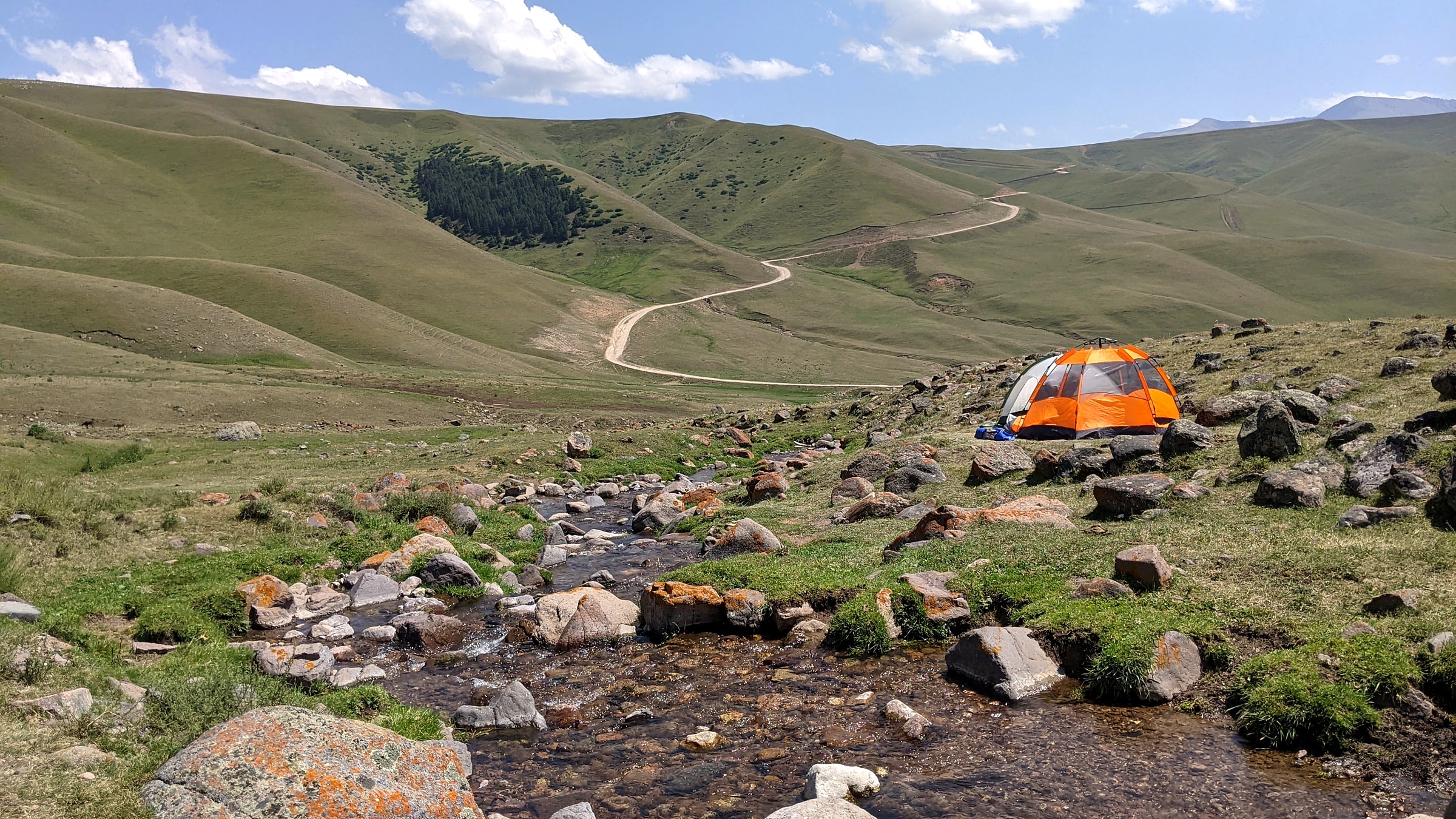
It's also the least forgiving style on this list. A mistake in your packing list is a bigger problem when you can't just walk back to the car for what you forgot, which is why backcountry trips deserve a more careful checklist than a drive-up weekend.
Picking the right one for your trip
- Want the most comfort and don't mind the cost: an RV or motorhome.
- Want a middle ground you can tow with a normal vehicle: a pop-up trailer.
- Want the cheapest, most flexible option: a standard tent at a drive-up site.
- Want real isolation and don't mind carrying everything in: backcountry tent camping.
The gear list changes with the site type
What you actually need to pack looks completely different for a backcountry trip than it does for an RV weekend, and it's easy to over-pack for one and under-pack for the other. Build a checklist matched to your trip type in Camper's Checklist so you're packing for the campsite you're actually staying at.