
Camping Coolers We Actually Use: Yeti, RTIC, Lifetime, and What We'd Buy Again
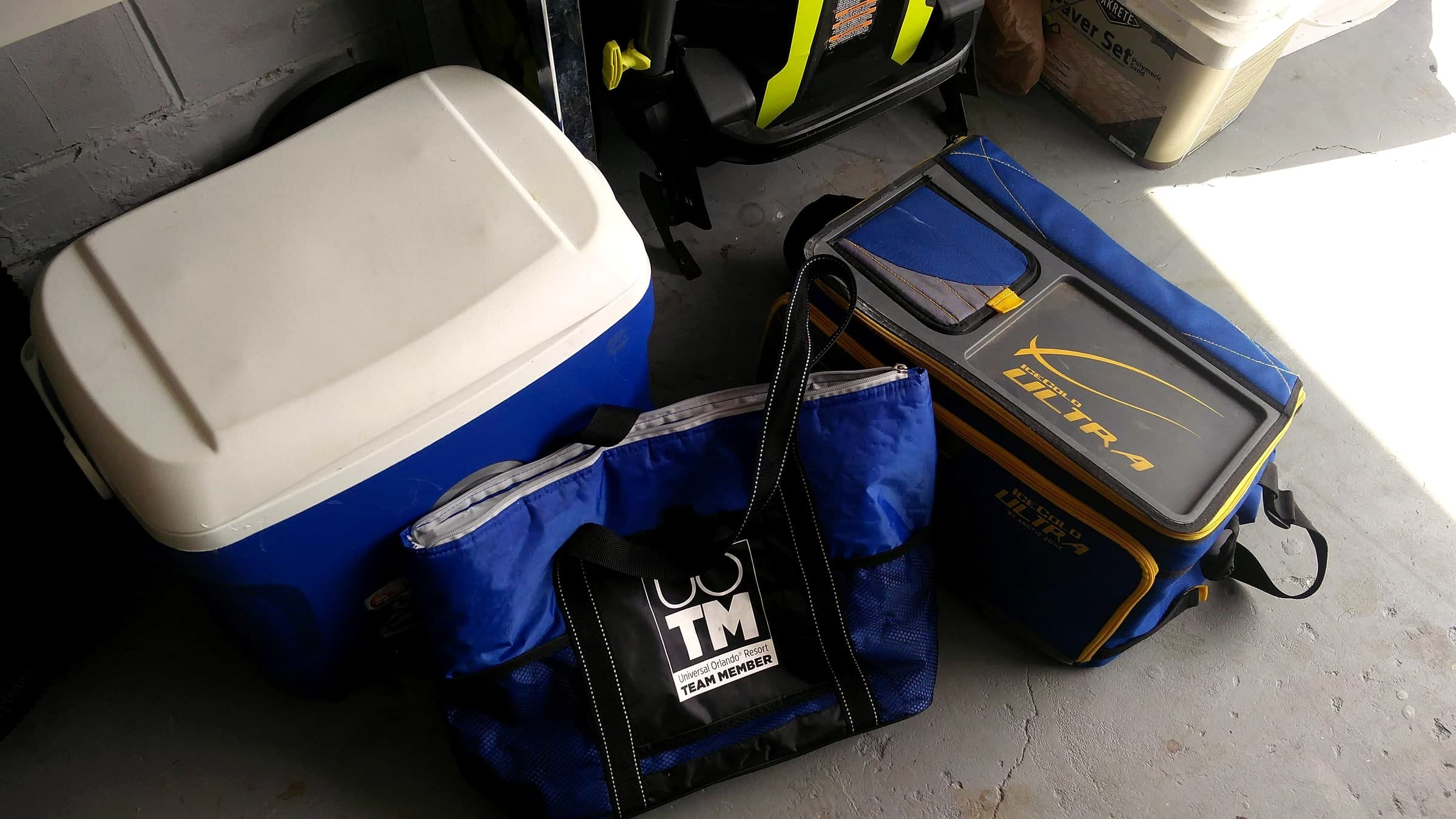
We own more coolers than any household reasonably needs, and that's not an exaggeration. At last count it was six, not including the two we retired last year. Here in Florida, a cooler isn't just a camping item. It's beach gear, hurricane season backup, and the thing that saves a fridge full of food when the power goes out. That's the honest reason we've cycled through so many brands and sizes, and why we finally have opinions worth writing down.
What we actually own right now
- Yeti Hopper 18, the workhorse soft cooler for two to three day trips
- Yeti Hopper 12, the small one that lives in the car more than the garage
- RTIC wheeled cooler, the big hard sided one, used for anything longer than a weekend or anything that needs to survive being sat on
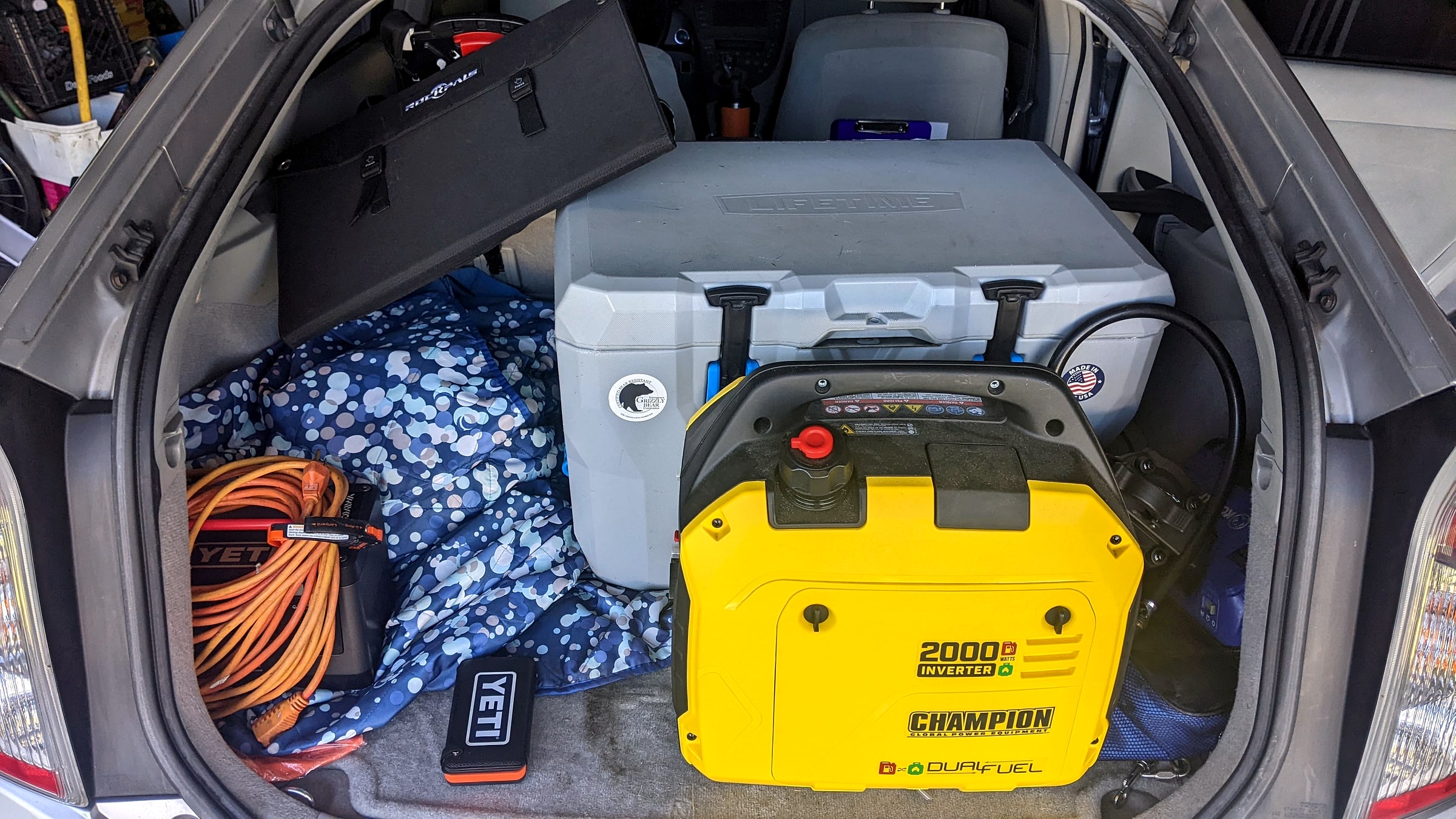
- Lifetime coolers, two of them, both hard sided, both budget picks that do more than their price tag suggests
- Igloo and Coleman coolers, retired. We used them for years, but they're the ones we no longer reach for first
Yeti: worth it for the smaller sizes
The Yeti Hopper soft coolers are the ones that get grabbed first, and it's almost always for the smaller trips: a beach afternoon, an overnight, a cooler that needs to ride on a shoulder strap instead of get carried by two handles. The zipper seal genuinely keeps ice longer than anything we owned before it, and the soft sides mean it packs into a trunk that's already full of other gear instead of taking up a fixed rectangle of space.
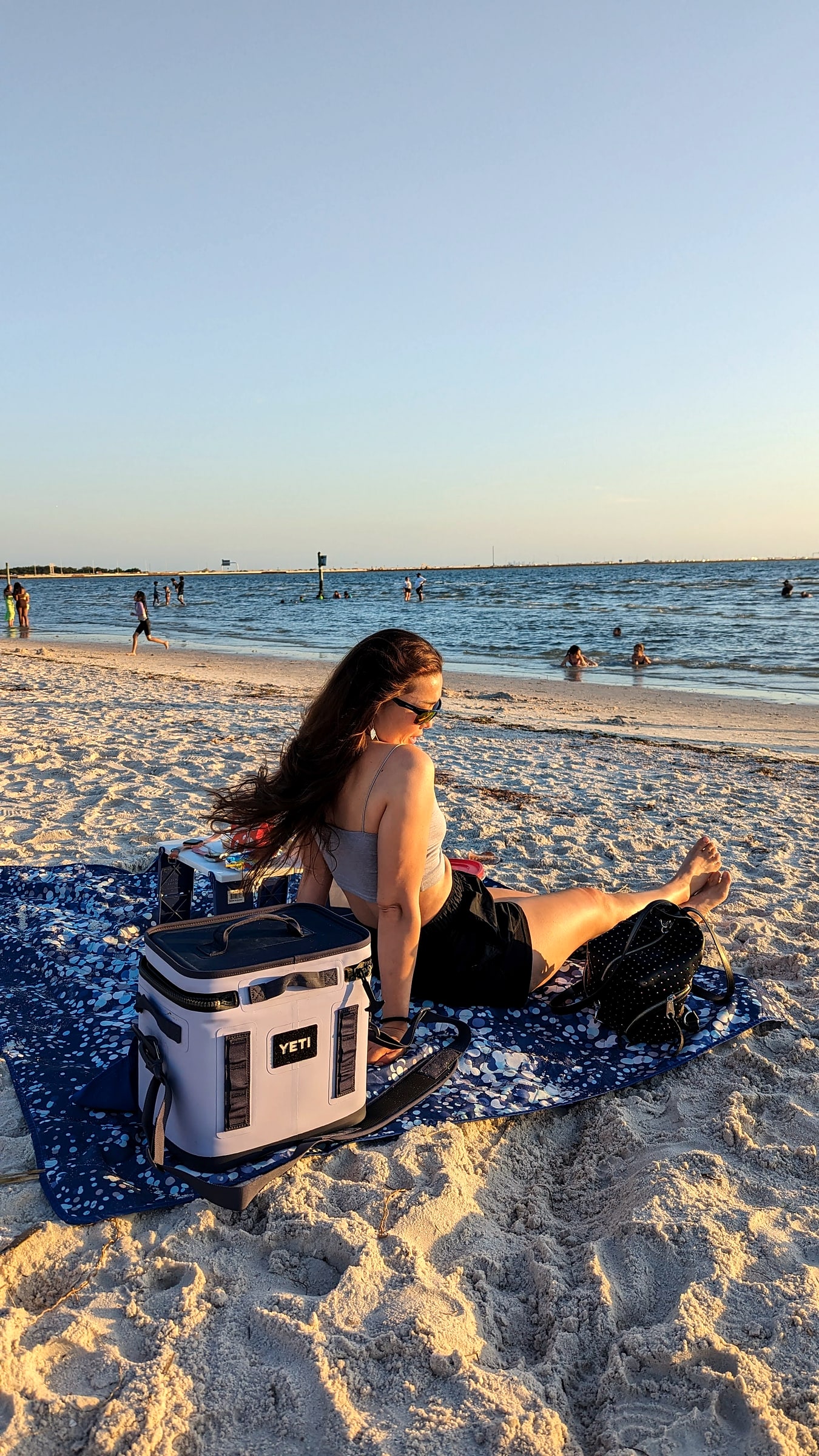
The Yeti Hopper 12 doing beach duty. This is where the smaller Yeti earns its keep.
We don't reach for the bigger Yeti hard coolers, though. Once you're sizing up for a multi-day trip or a full cooler of drinks for a group, the price difference between Yeti and everything else stops making sense to us, which is exactly where RTIC comes in.
RTIC: our pick for the big cooler
The RTIC wheeled cooler is the one that goes on longer trips, and the wheels are the actual reason. Hauling a fully loaded hard cooler across a gravel campsite or down a beach access path is miserable without them, and RTIC's ice retention has kept up with Yeti in our experience at a noticeably lower price for the larger sizes. It also doubles as a bench, which matters more than it sounds like it would when every camp chair is already taken.
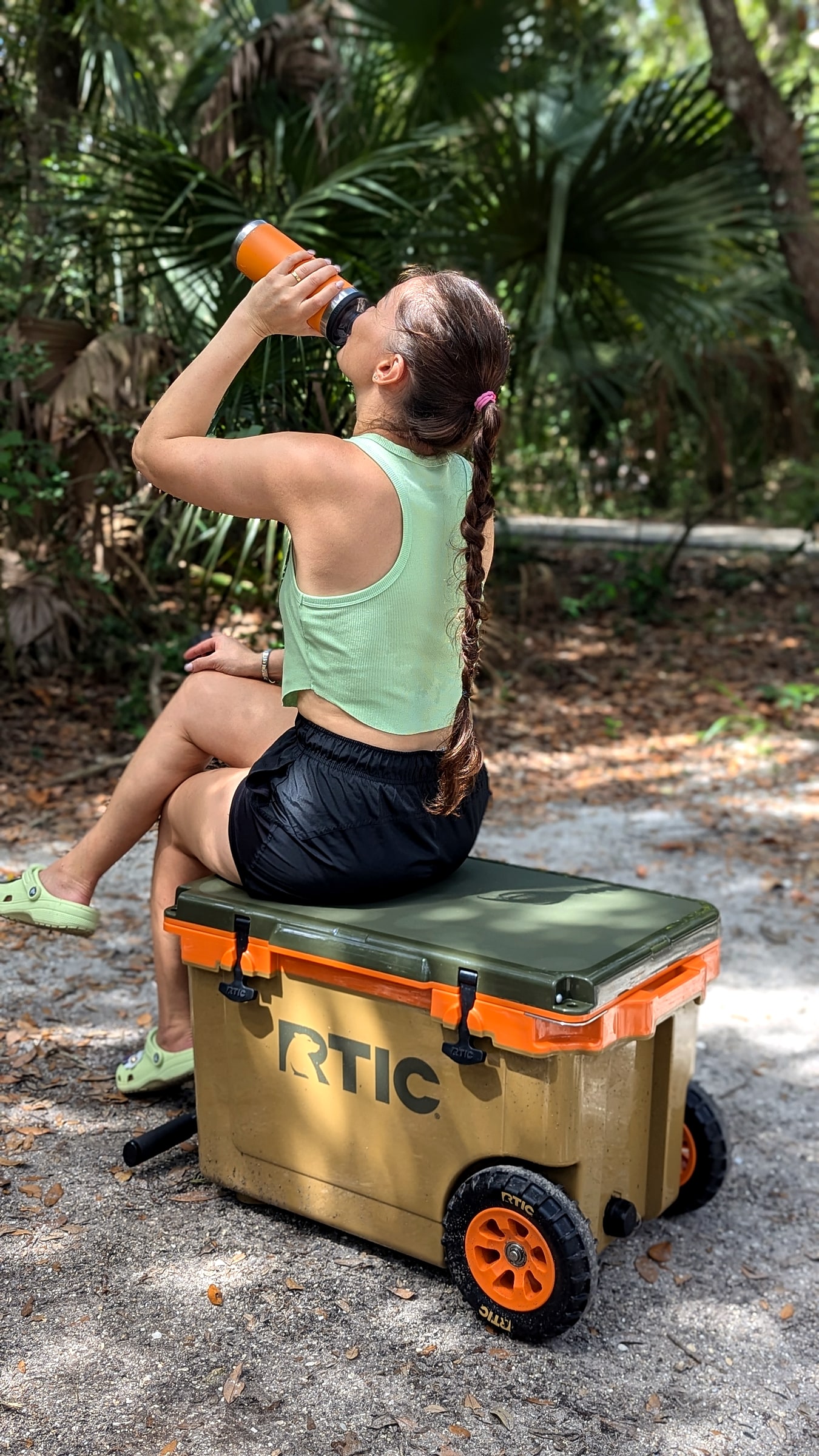
The RTIC wheeled cooler pulling double duty as camp seating.
We landed on a simple rule after enough trips. RTIC for anything big, Yeti for anything small. The big Yeti hard coolers are good coolers, we just can't justify the price over RTIC once you're past the size where a shoulder strap works.
Lifetime: the budget cooler that earns its spot
The Lifetime coolers don't get talked about as much as Yeti or RTIC, but they've held up fine for the price, and we use them for the situations where we don't want to risk banging up the good coolers: hauling ice to a gathering, tossing in a truck bed, lending to family for their own trip. If you're outfitting a first camping trip and don't want to spend Yeti money before you know how often you'll actually camp, a Lifetime cooler is a reasonable place to start.
Why we stopped buying Igloo and Coleman
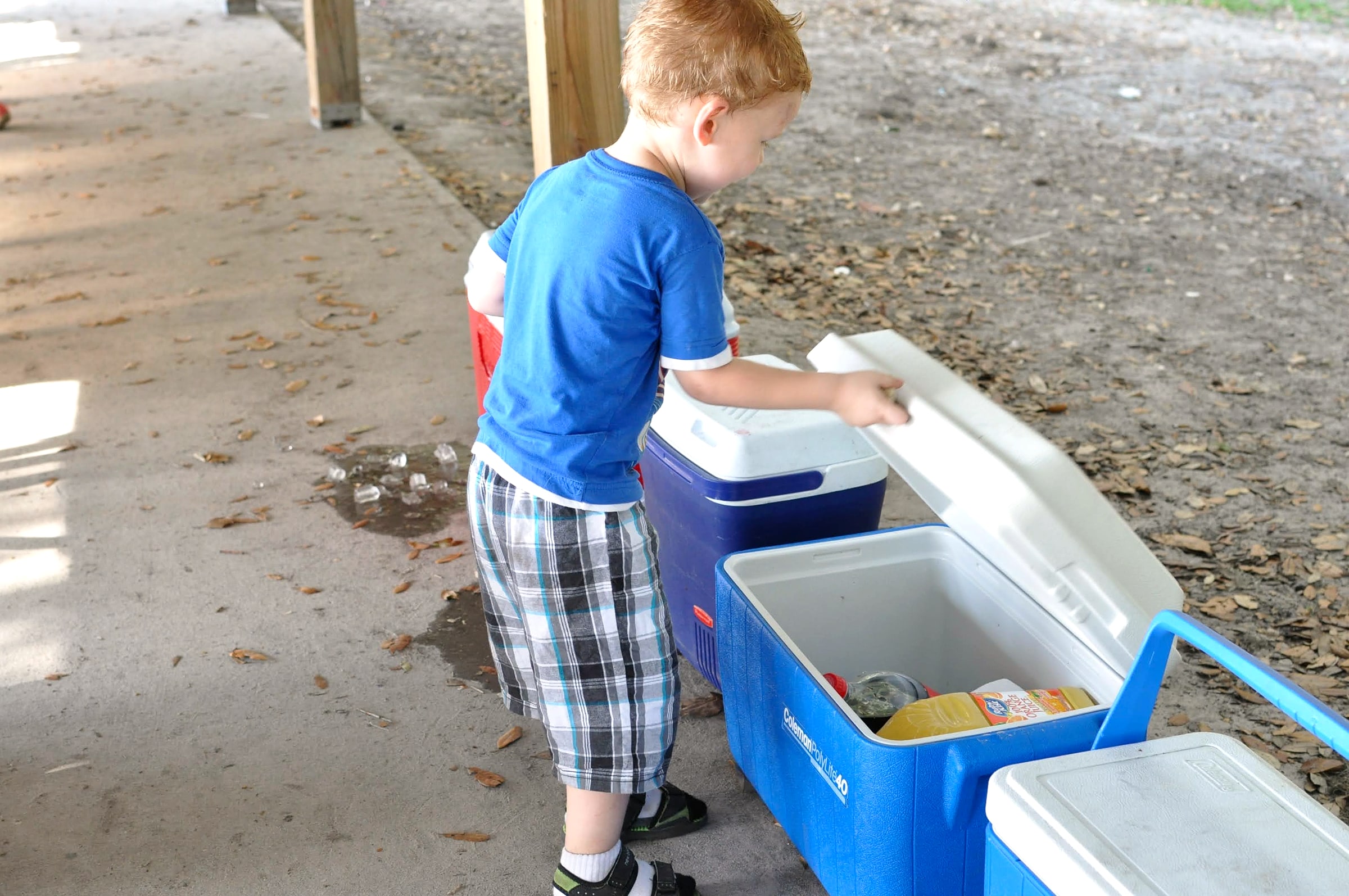
We used Igloo and Coleman coolers for years before switching, and there's nothing dramatically wrong with either. They're what a lot of people start with, including us. The difference we noticed after switching to Yeti and RTIC was ice retention on anything longer than a single day. The cheaper coolers just don't hold cold as long once the outside temperature climbs, which matters a lot more in Florida than it might somewhere cooler. We still wouldn't tell anyone not to buy one for occasional use. We just don't reach for ours anymore.
More than a camping item: hurricane season backup
If you live in Florida, a good cooler isn't optional gear you only think about before a trip. Every hurricane season, our coolers become the plan for keeping food safe if the power goes out. Packed with ice ahead of a storm, ready to hold a fridge's worth of food if the outage runs long. It's one of the reasons we lean toward the higher retention coolers even though they cost more. A cooler that holds ice for five days instead of two is the difference between losing groceries and not, when you don't know how long the power will actually be out.
Beyond storms, the same coolers get used constantly around the house: beach trips, backyard parties, tailgating, and just keeping drinks cold on a hot Florida weekend. A camping cooler here rarely spends most of its life actually camping.
Building the rest of the list
A cooler is one line on a much longer packing list, and it's easy to remember the cooler and forget the bag of ice, or remember the food and forget a way to keep it cold once you're there. Start a camping gear checklist in Camper's Checklist to keep the whole list, cooler included, in one place your whole group can see before the next trip.